
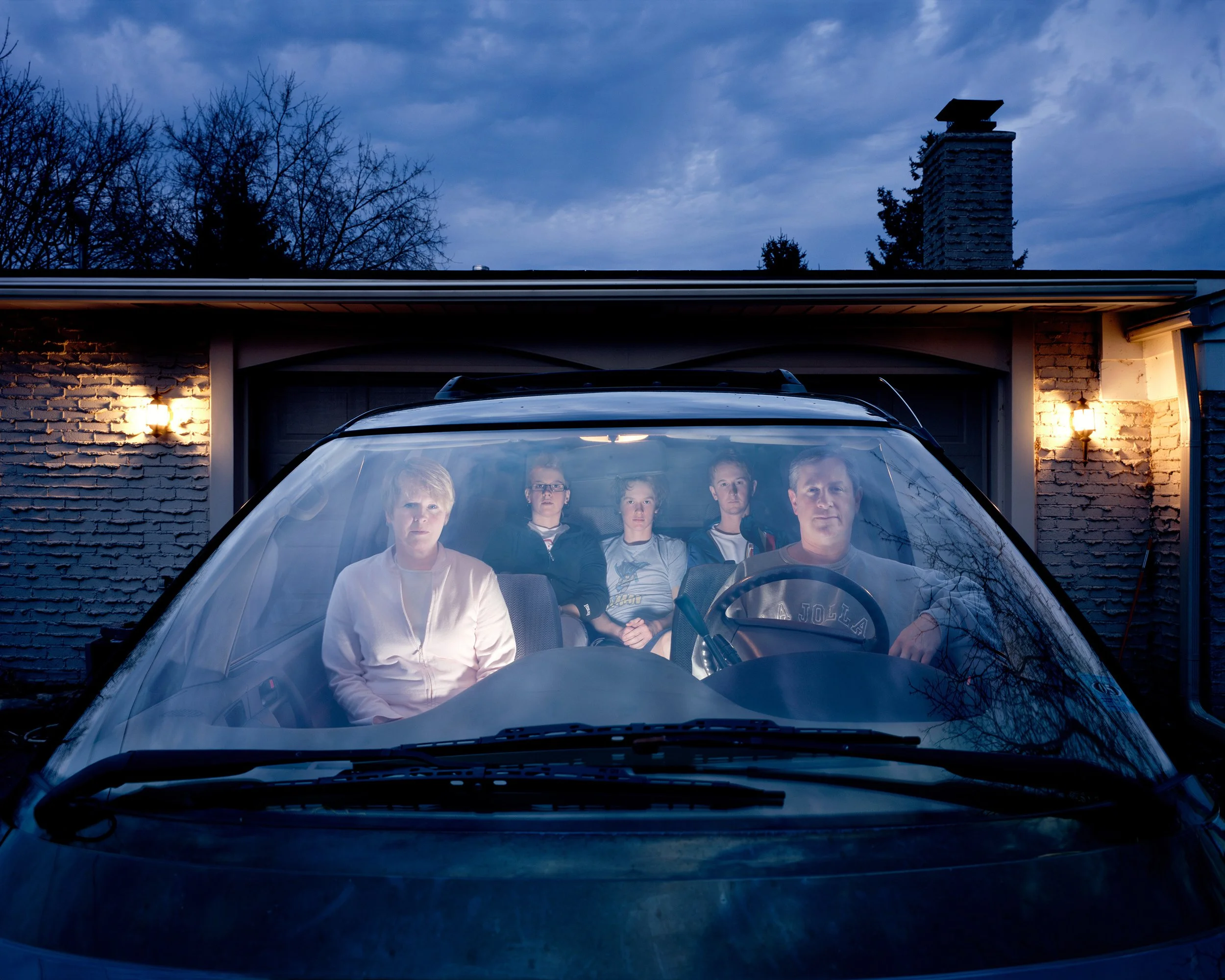
Self-Portrait with Family, 2007
Evidence & Fiction
Evidence & Fiction begins with my suspicion of the family photograph: what it claims to prove, what it agrees to hide, and whose version of the room is allowed to stand. I build pictures that borrow the authority of documentary photography while refusing its promise of neutrality.
-
Evidence & Fiction begins with my suspicion of the family photograph. Family pictures are supposed to prove something: that people belong to one another, that a room is safe, that love has a shape, that the pose can hold. But a family photograph is never only a record. It is also a fiction, a cover story, and a contract: an agreement about who belongs, who is protected, who is seen, and whose version of the room is allowed to stand.
For more than two decades, I have photographed the white, middle-American family I was born into, and the families I have entered and made. These forms of family do not cancel or correct one another; they alter the terms of belonging. One I was given: a belonging assigned, not asked — an inheritance of role, silence, and respectability, where whiteness works by disappearing into the room, into taste, order, safety, and the belief that this family picture can stand for family itself. Another I entered through my partner — where I belong fully, but at one remove, and only as long as the relationship holds. Others I have made through desire, recognition, collaboration, and choice. They do not undo the contract. They reauthor it.
I manufacture the ideal American family, drawing from family portraiture, domestic ritual, advertising, cinema, and the visual codes of belonging. Subjects appear composed, polished, fixed in place, yet the scenes remain charged. I give them a wide frame to take up space; they remain rigid and confined. Gesture, posture, clothing, and architecture reveal the roles people are asked to inhabit — and how little room some structures leave for refusal.
As a gender-nonconforming butch dyke, I am implicated in the families I picture but never fully absorbed by them: inside the room, outside the script. Beneath the surface are recognitions that arrive before language. I hold the camera, and I am caught in the frame.
My process is slow and material. I stage each scene through different degrees of control, negotiation, and trust; photograph multiple versions on medium- and large-format film; and piece the frames into cohesive but unstable compositions. The portrait becomes evidence, fiction, and contract at once — a record of real people, a staged image of belonging, and a set of terms for how a person is allowed to appear.
I am seduced by the images I construct — by their beauty, symmetry, and promise of coherence — even as I expose the pressure required to maintain them. I do not imagine these families as clean chapters: I want them to contaminate one another. In that instability, family becomes less a fact than a structure being performed.
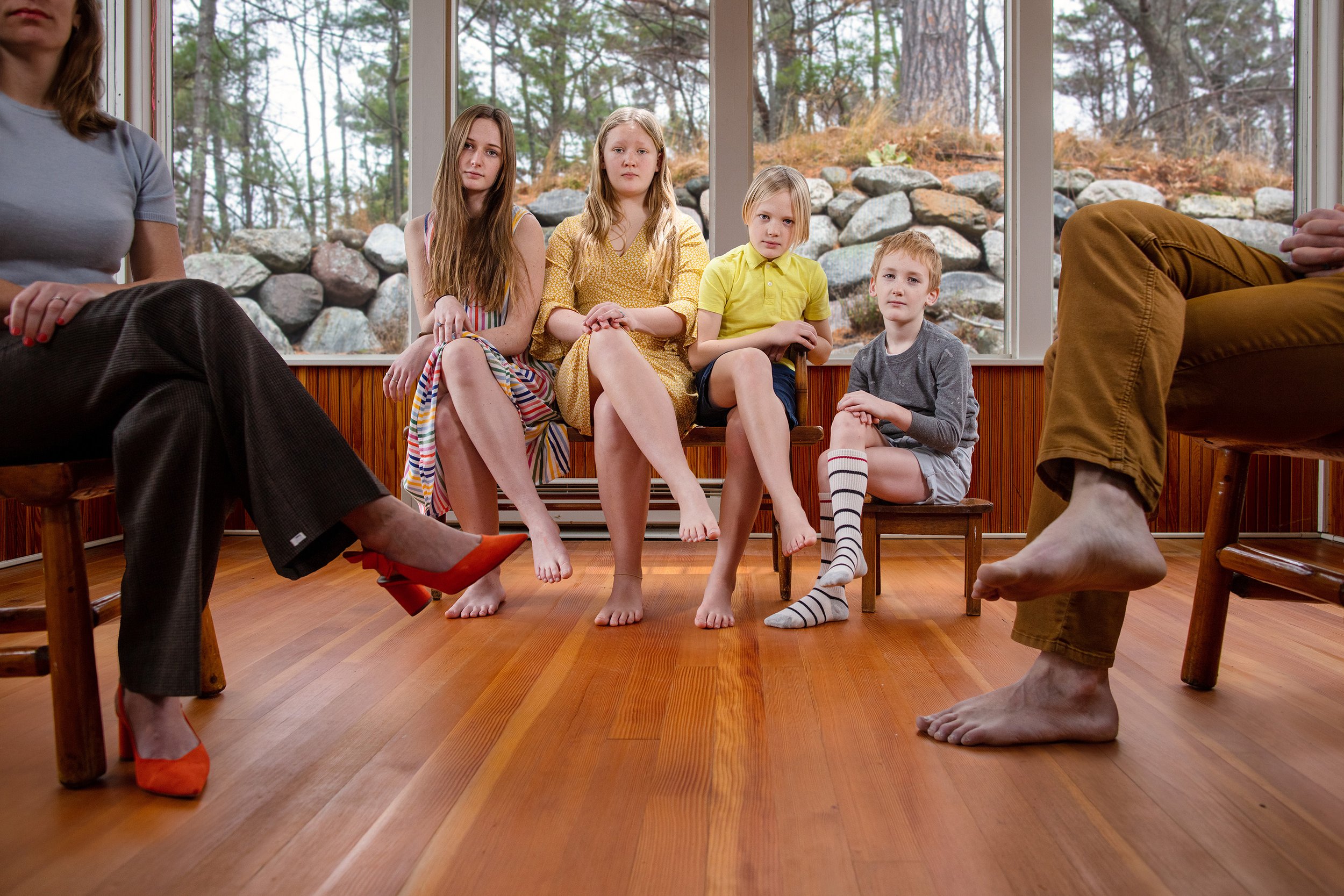
The Cottage, Up North, 2020
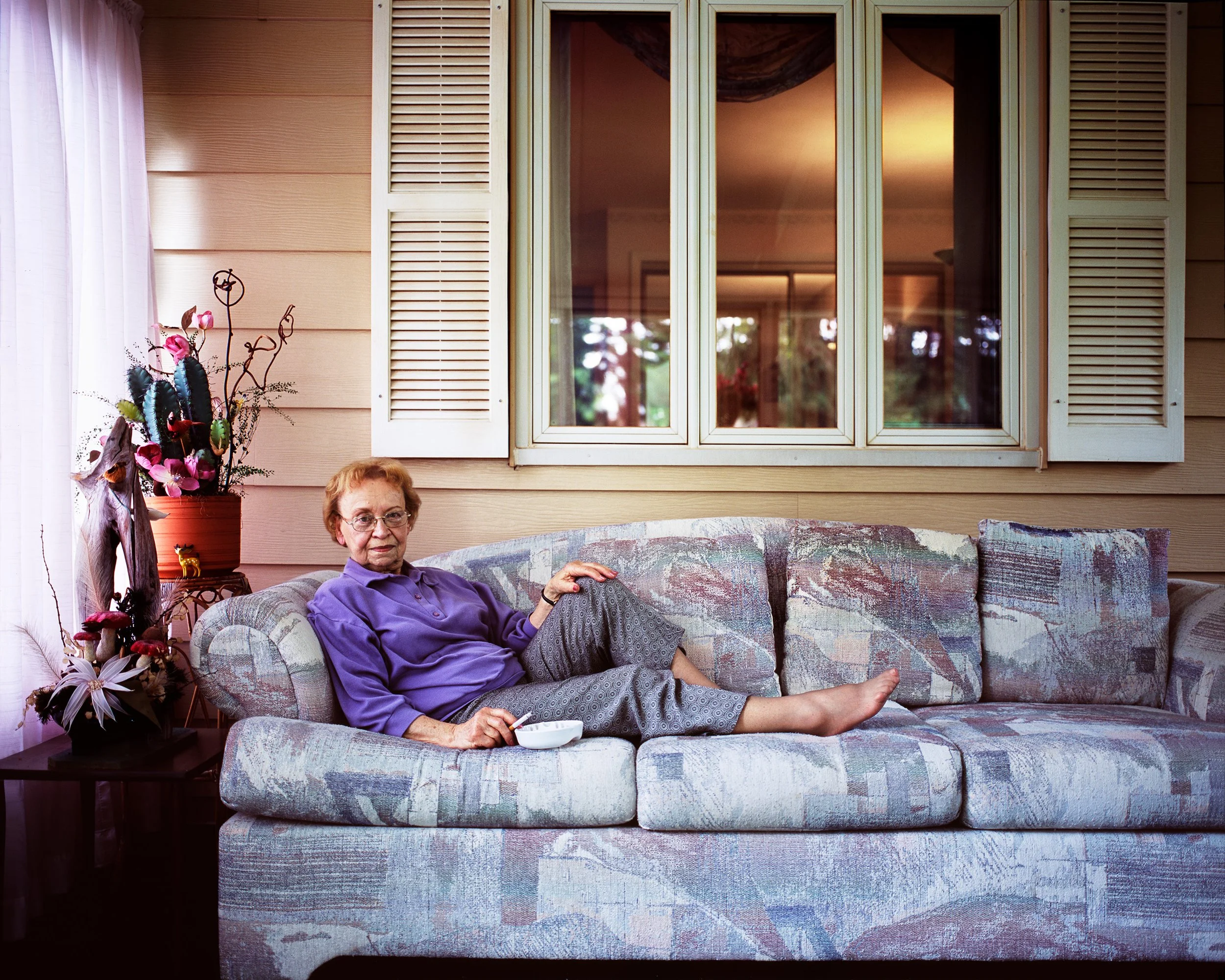
Grandmarie, 2005
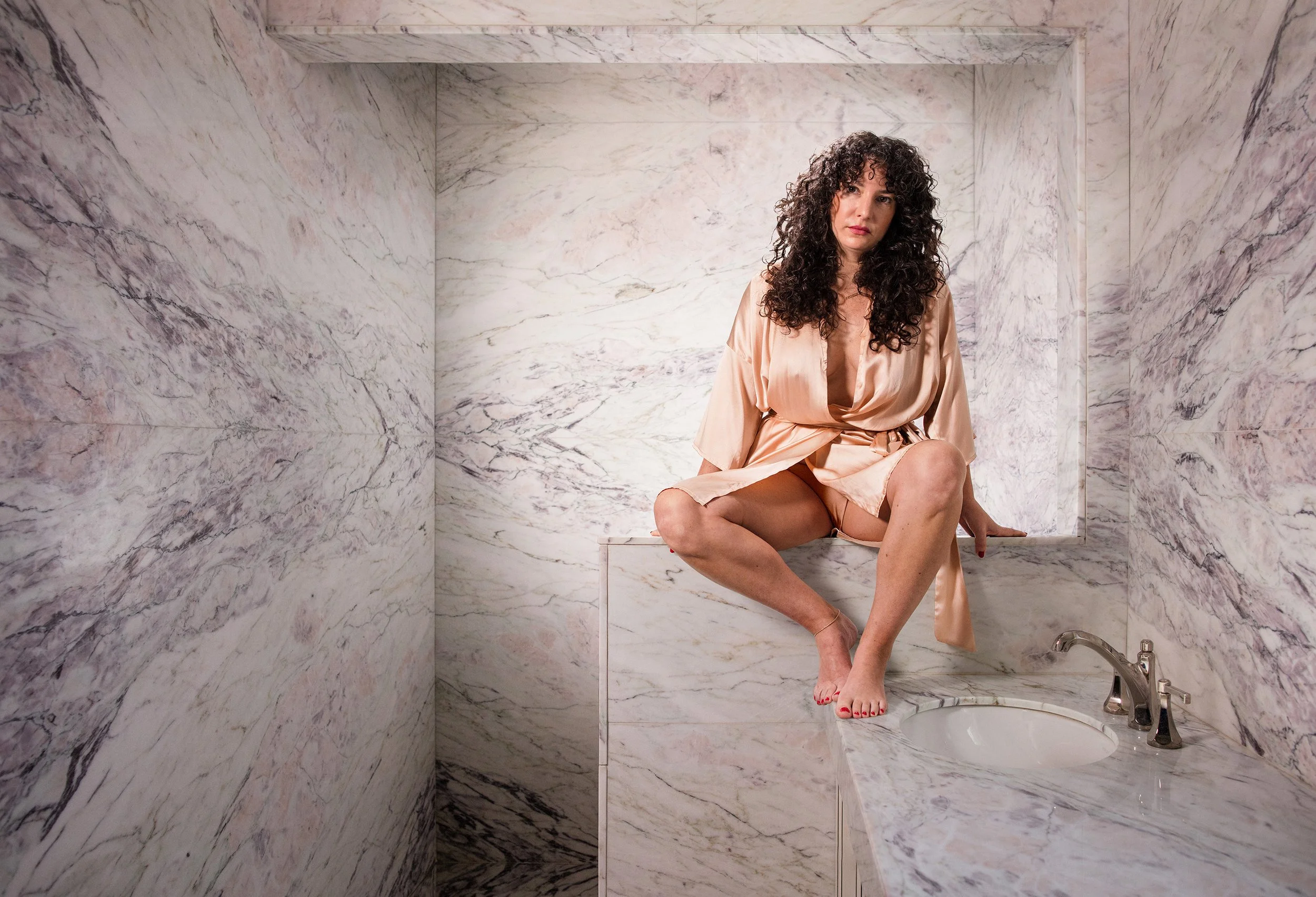
Sissy, 2020
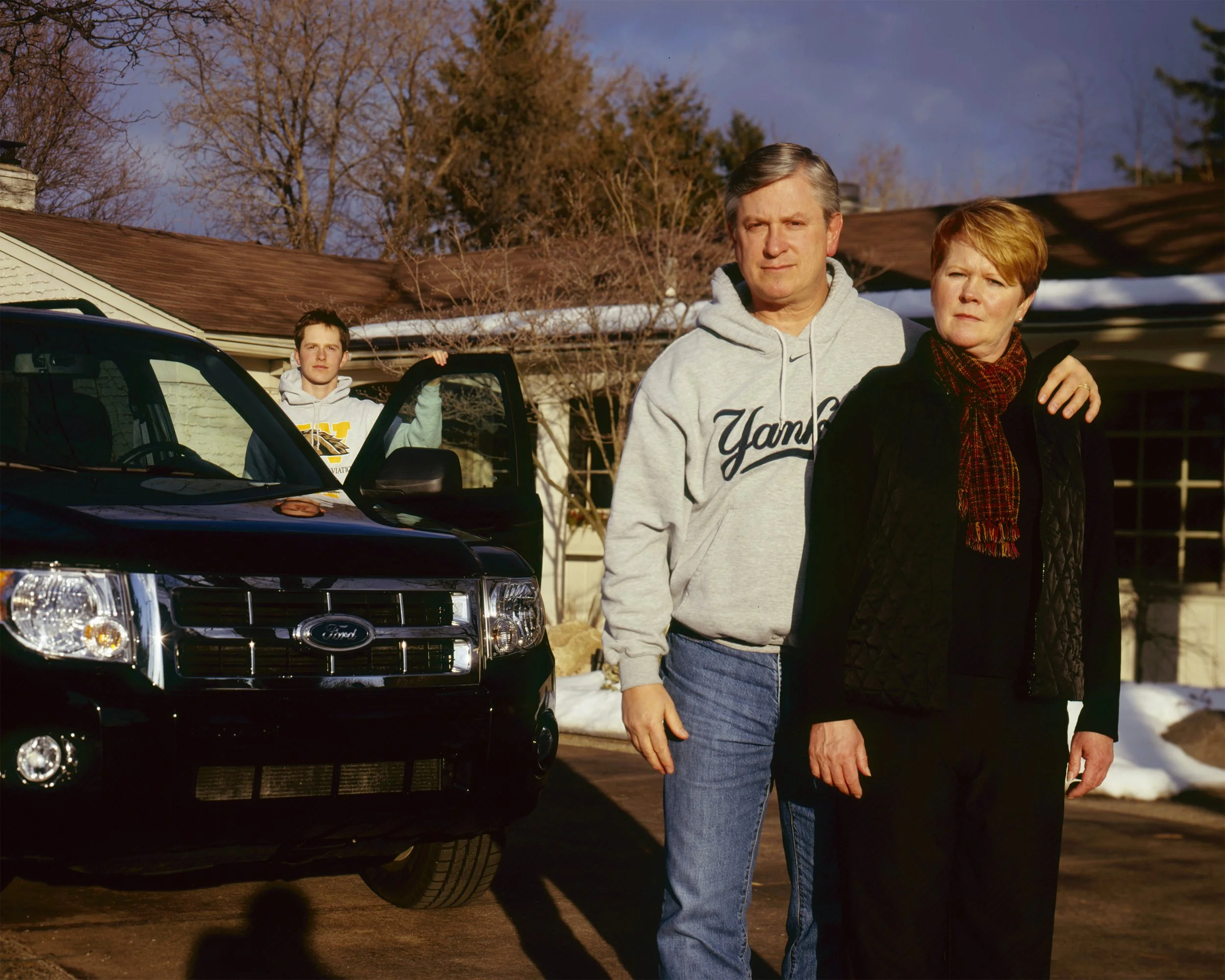
Escape, 2011
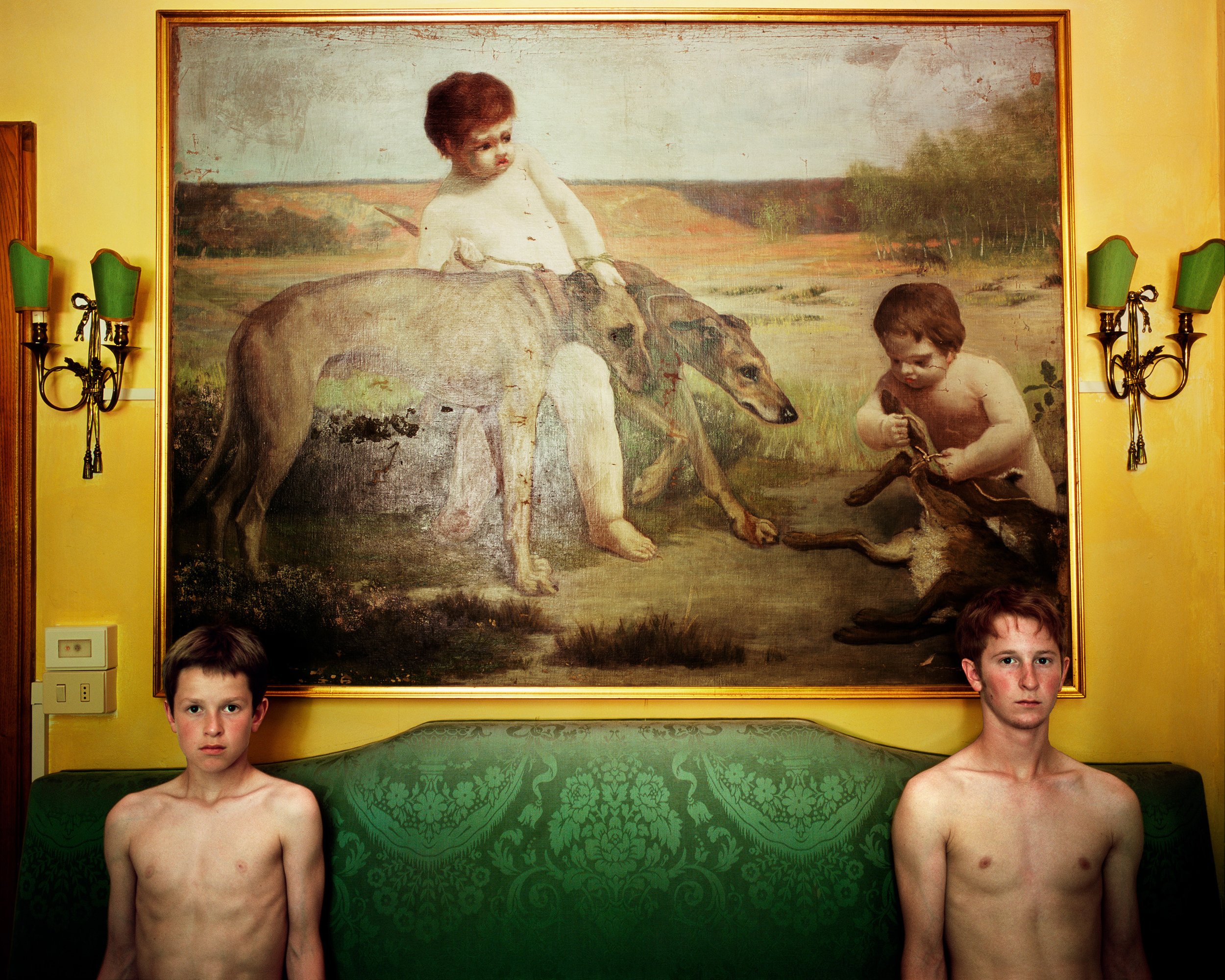
Stallion Suite, 2005
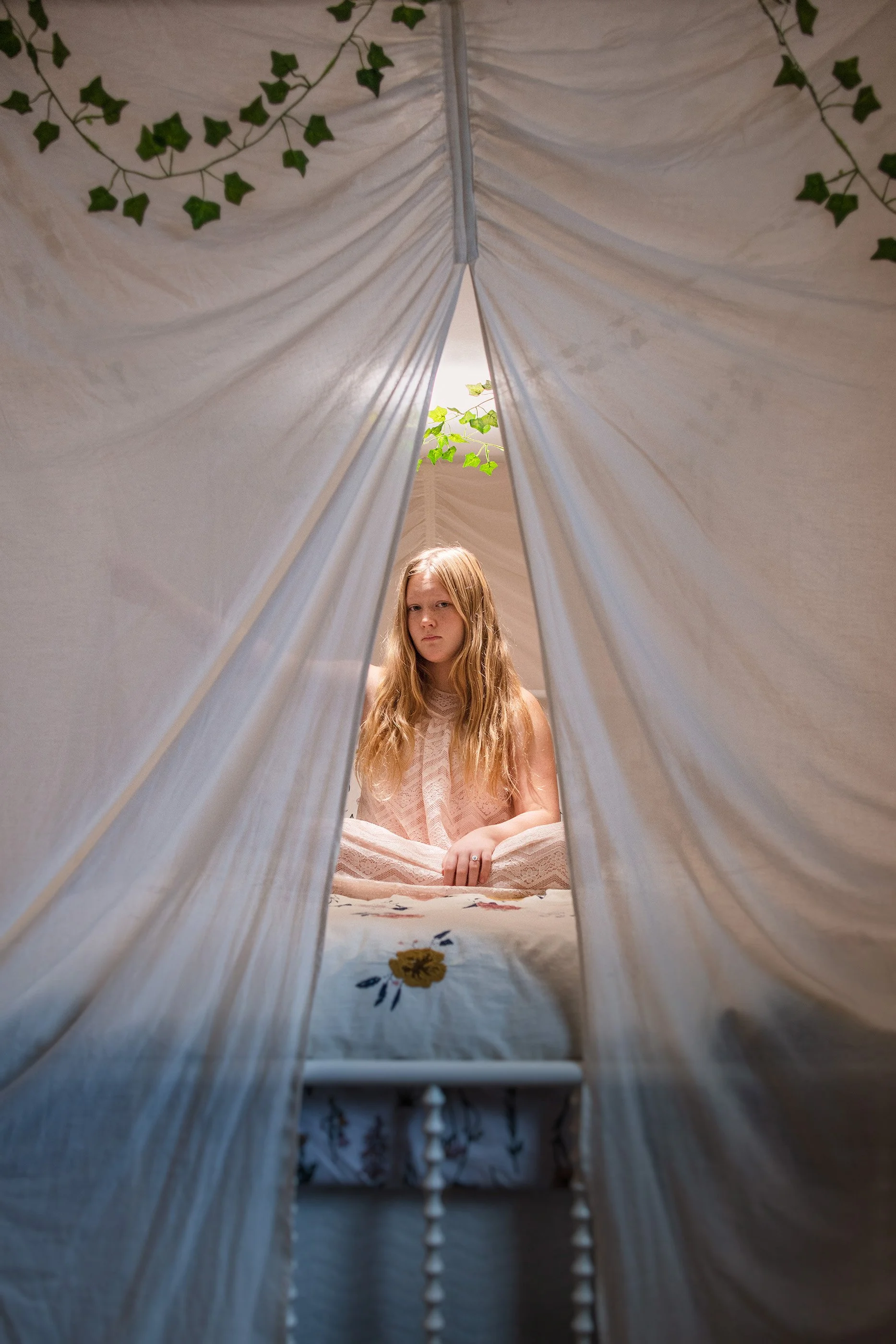
Cedar, 2020
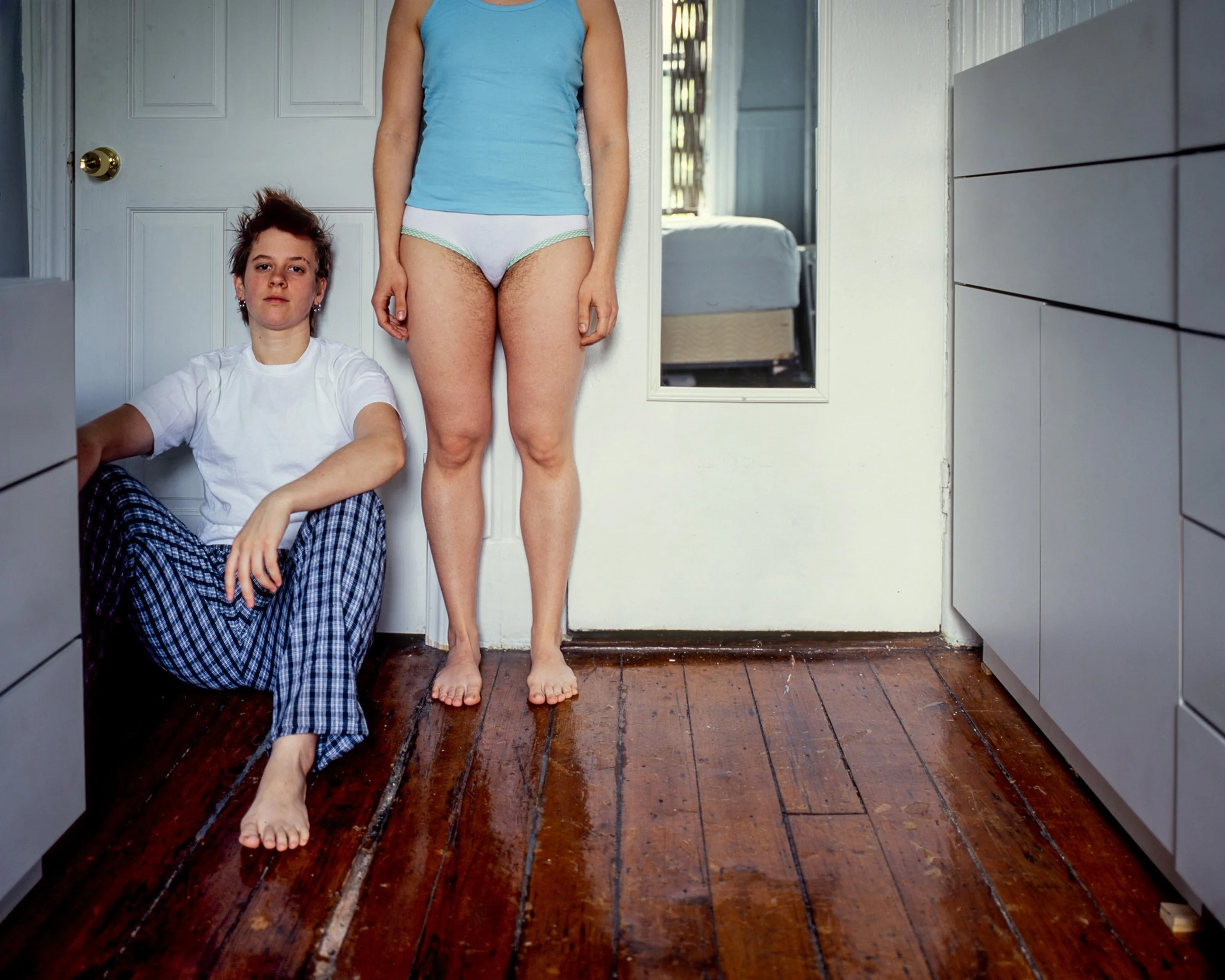
Self-Portrait, Bedroom, 2003
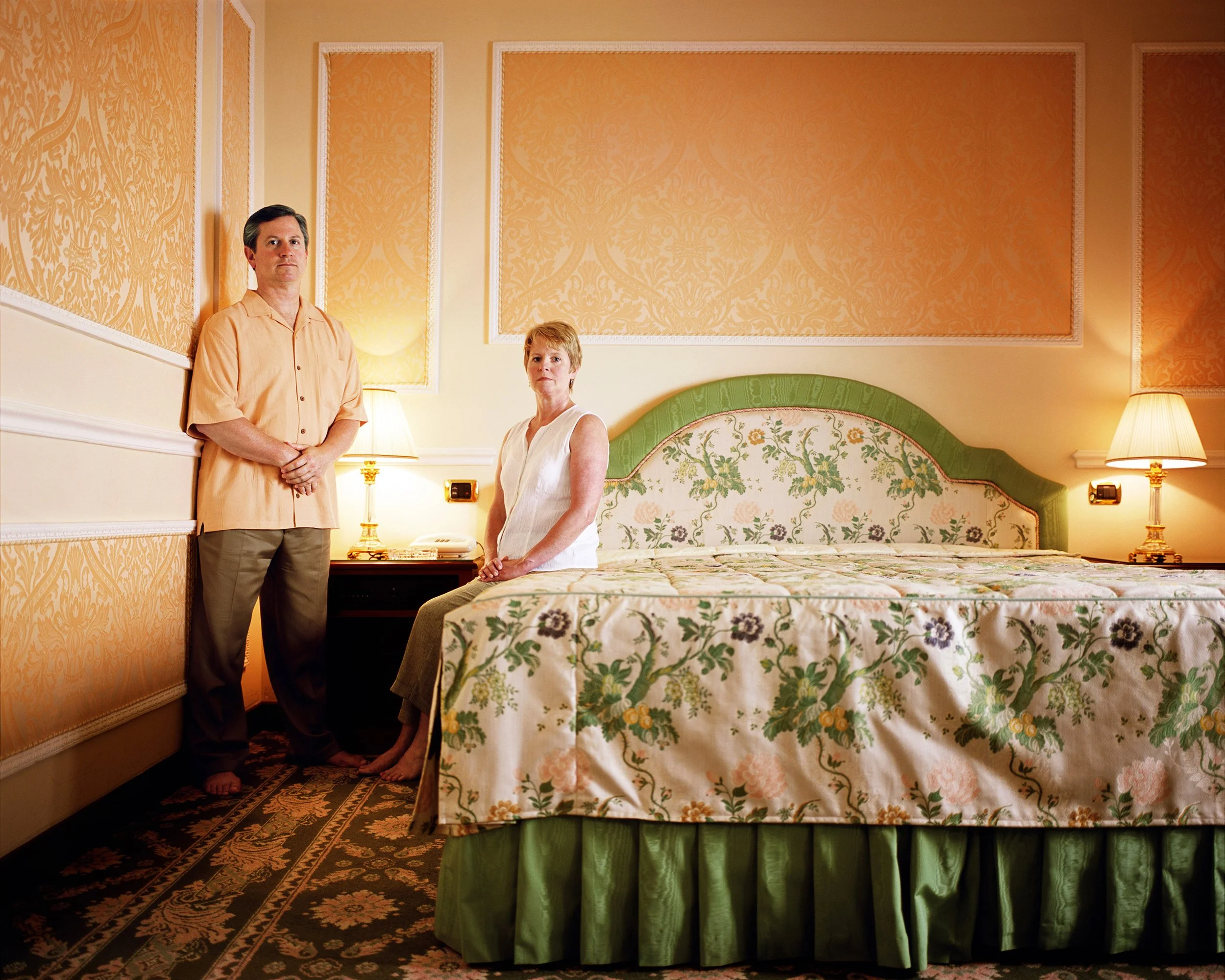
Room 303, 2005
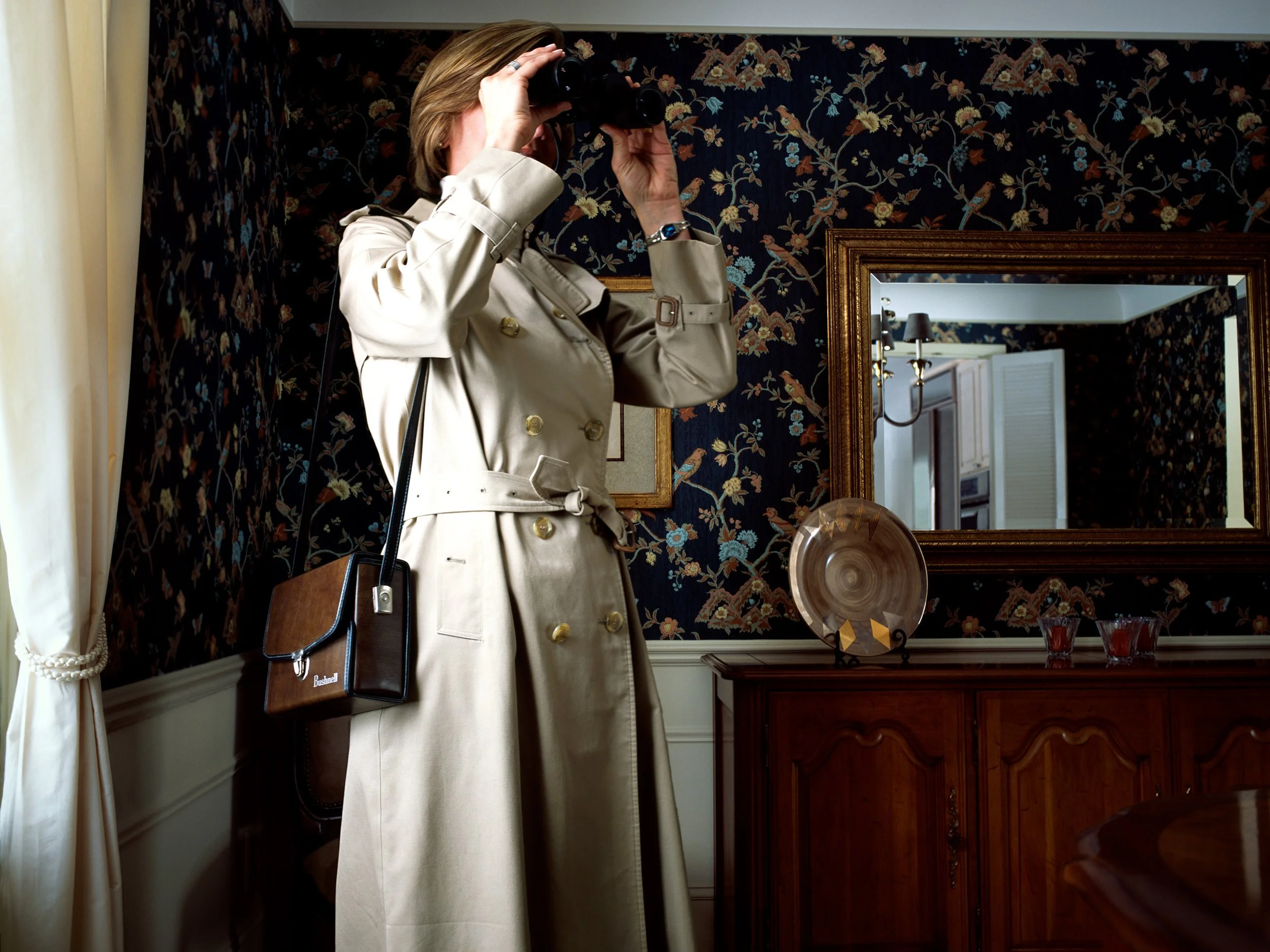
Forest & Field, 2004
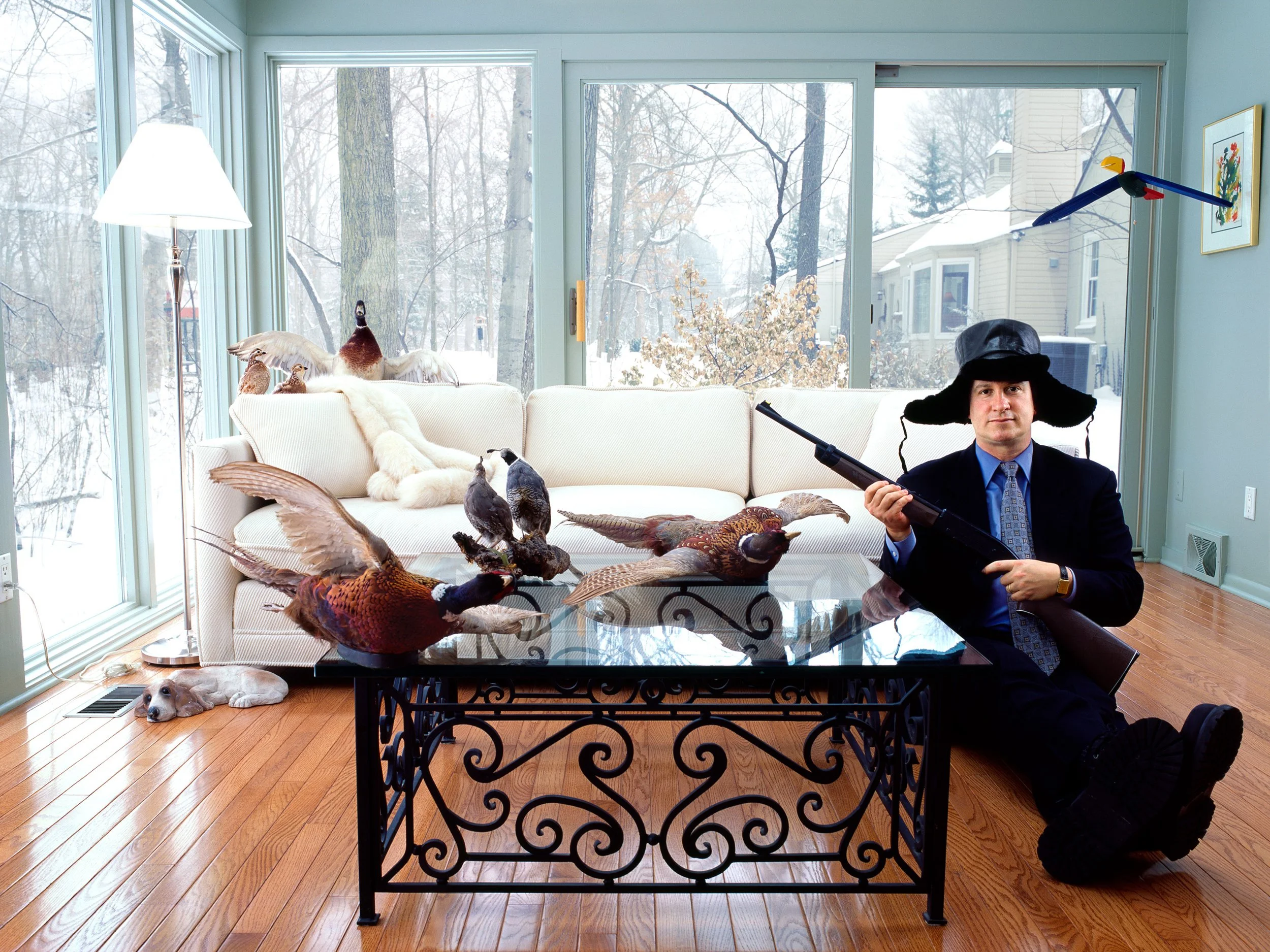
Pheasant Hunter, 2005
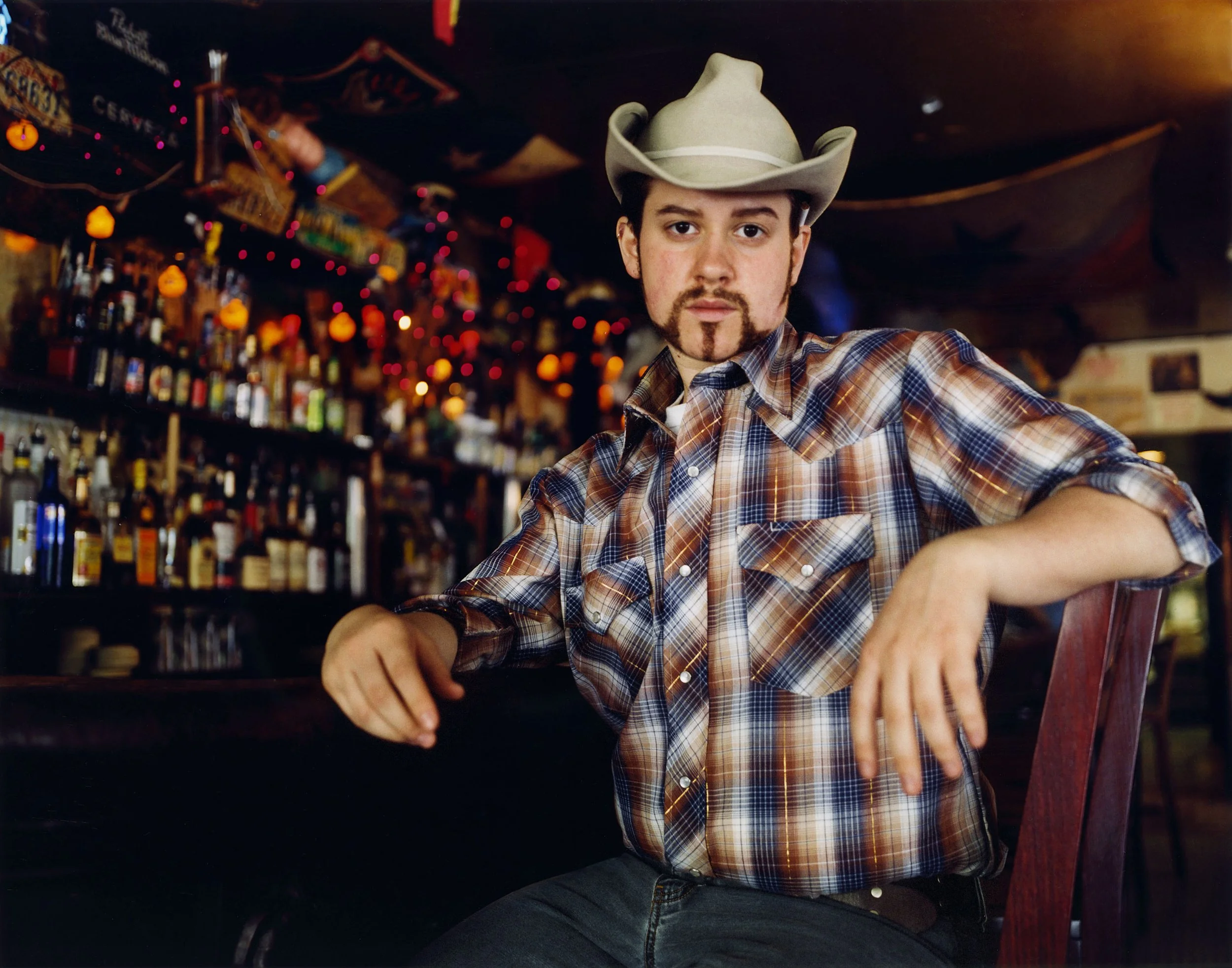
Self-Portrait at Doc Holliday's, 2003
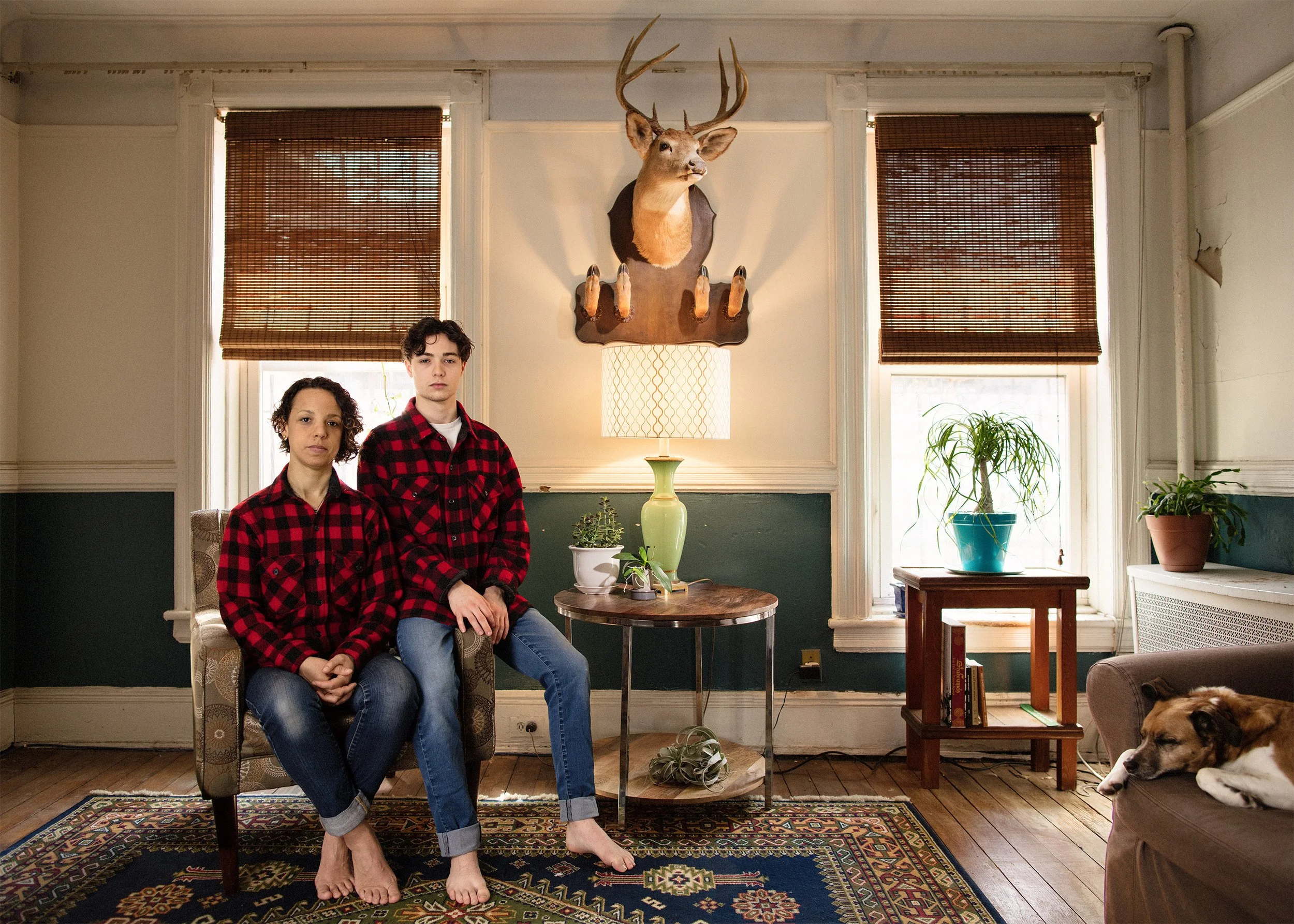
Gem & Sequoia, 2018
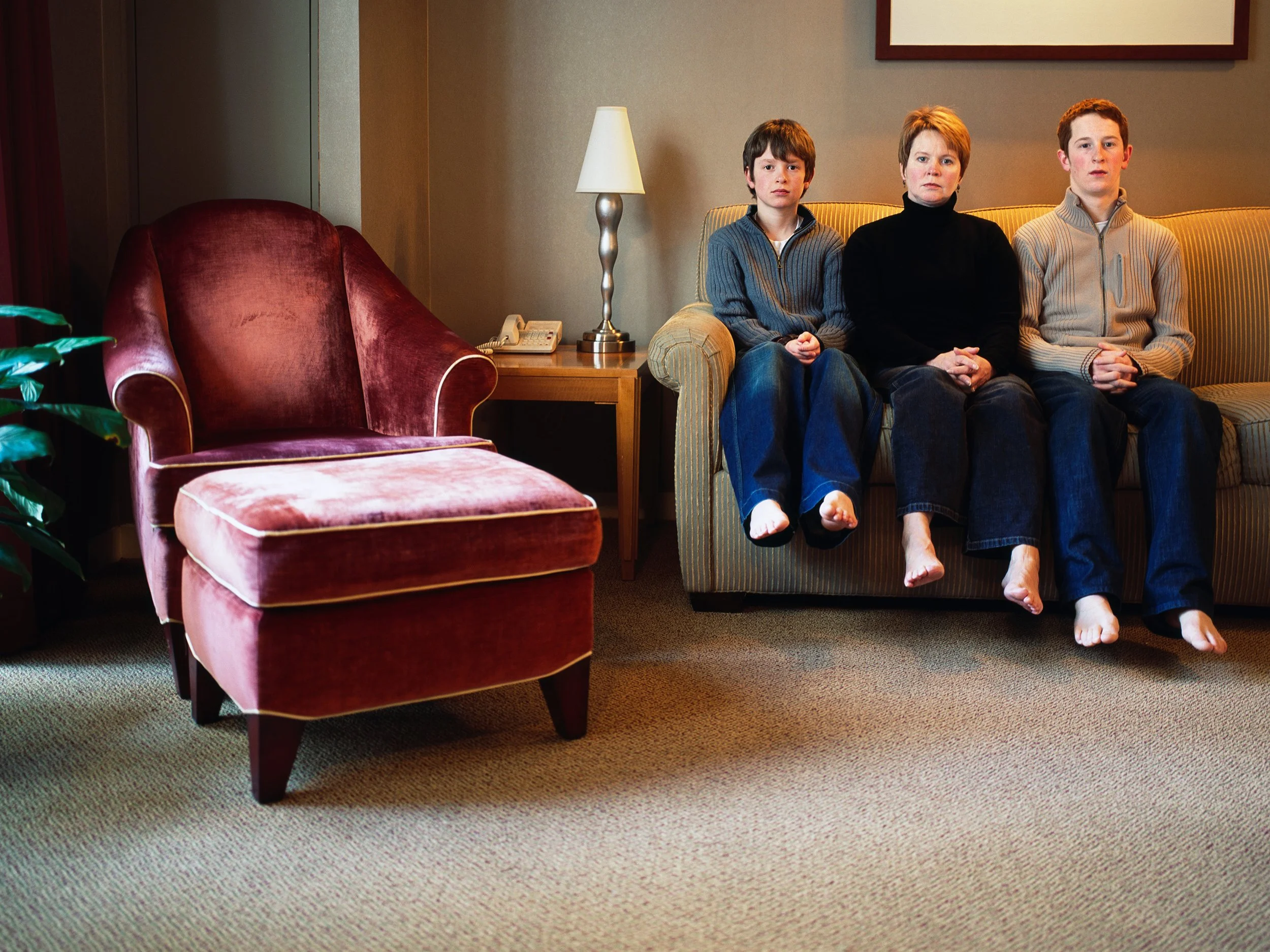
Suite 506, NYC, 2005
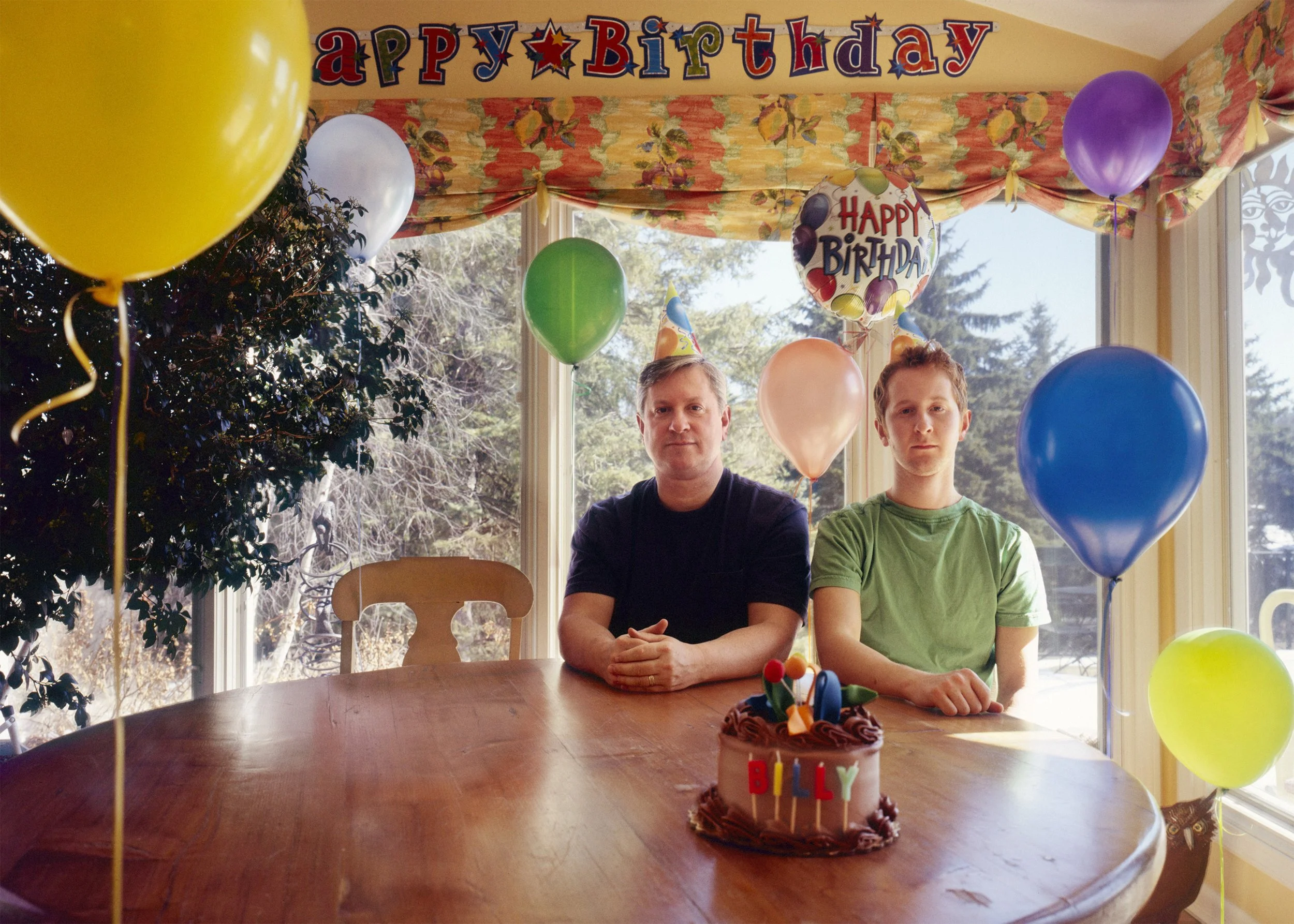
Billy & Billy, 2008
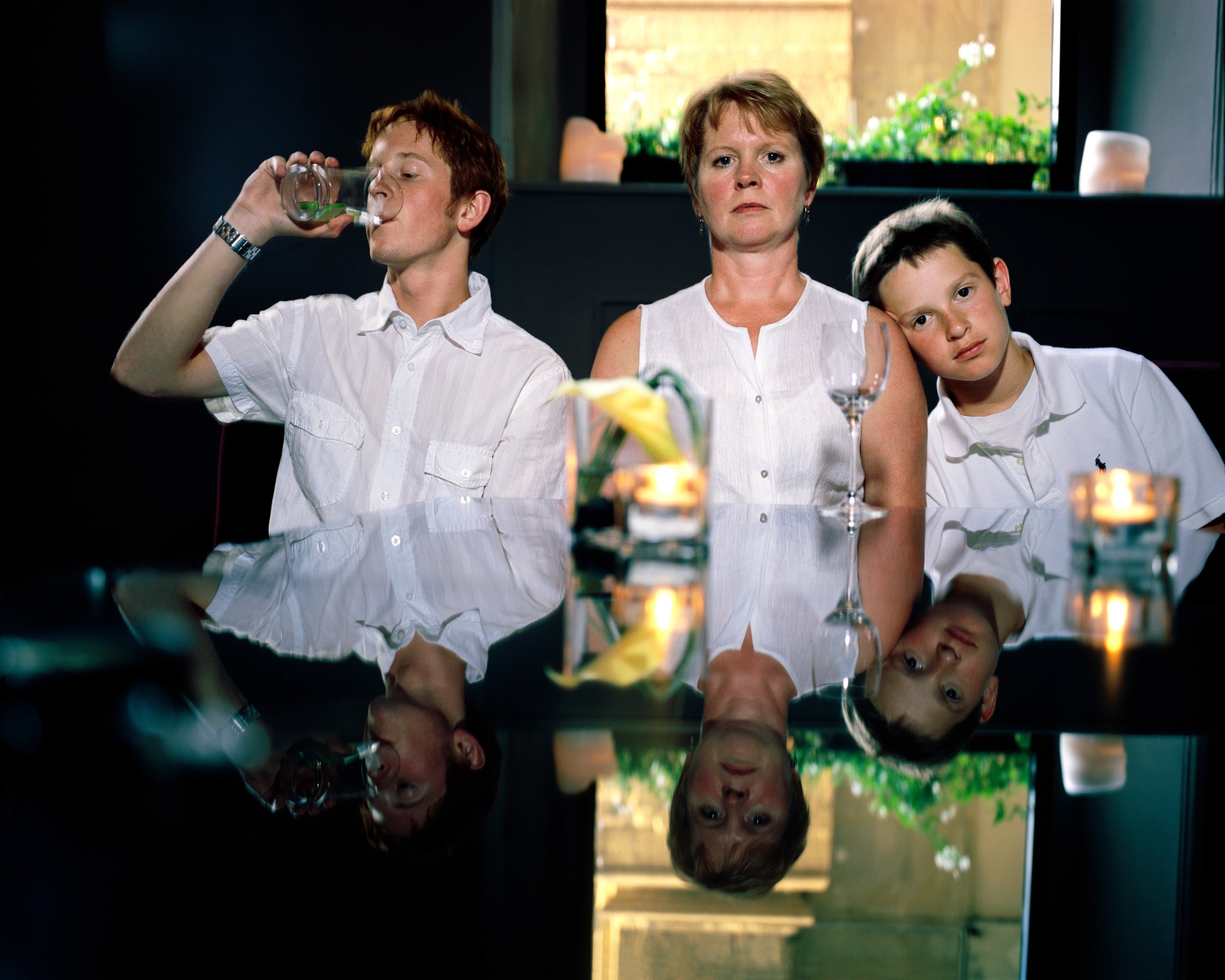
Hotel Lobby, Florence, 2005
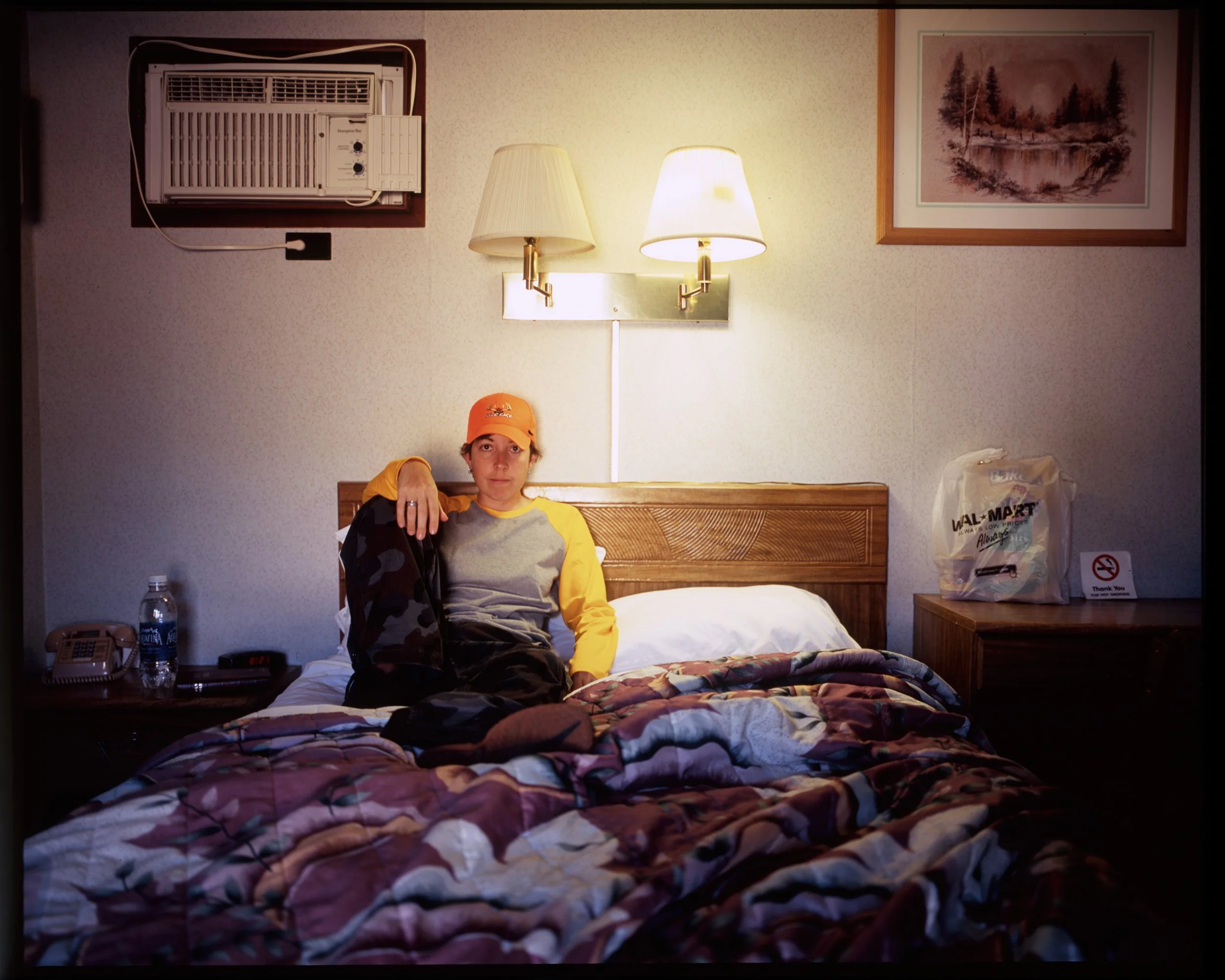
Monster Truck Weekend, 2004
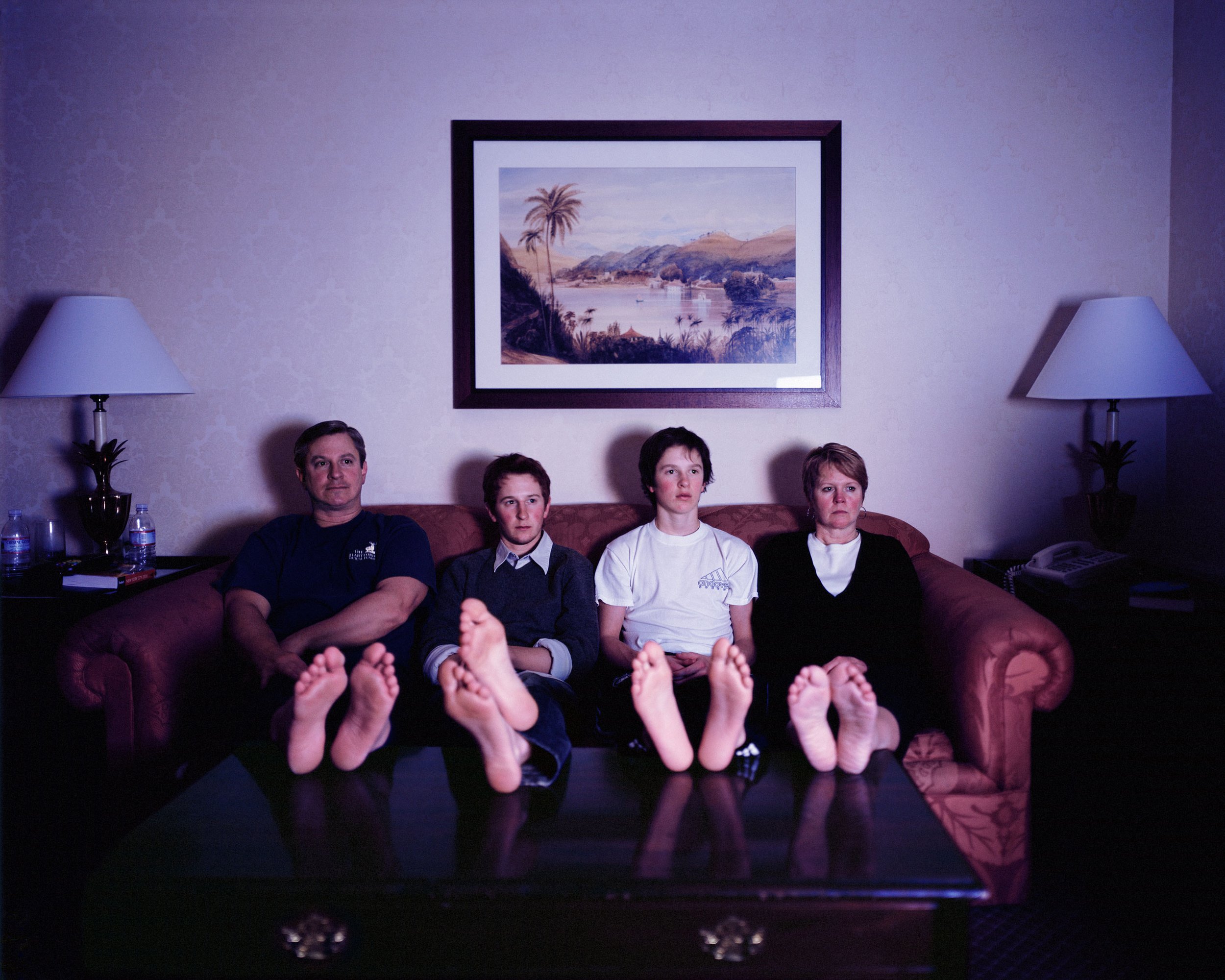
Oscars, 2007
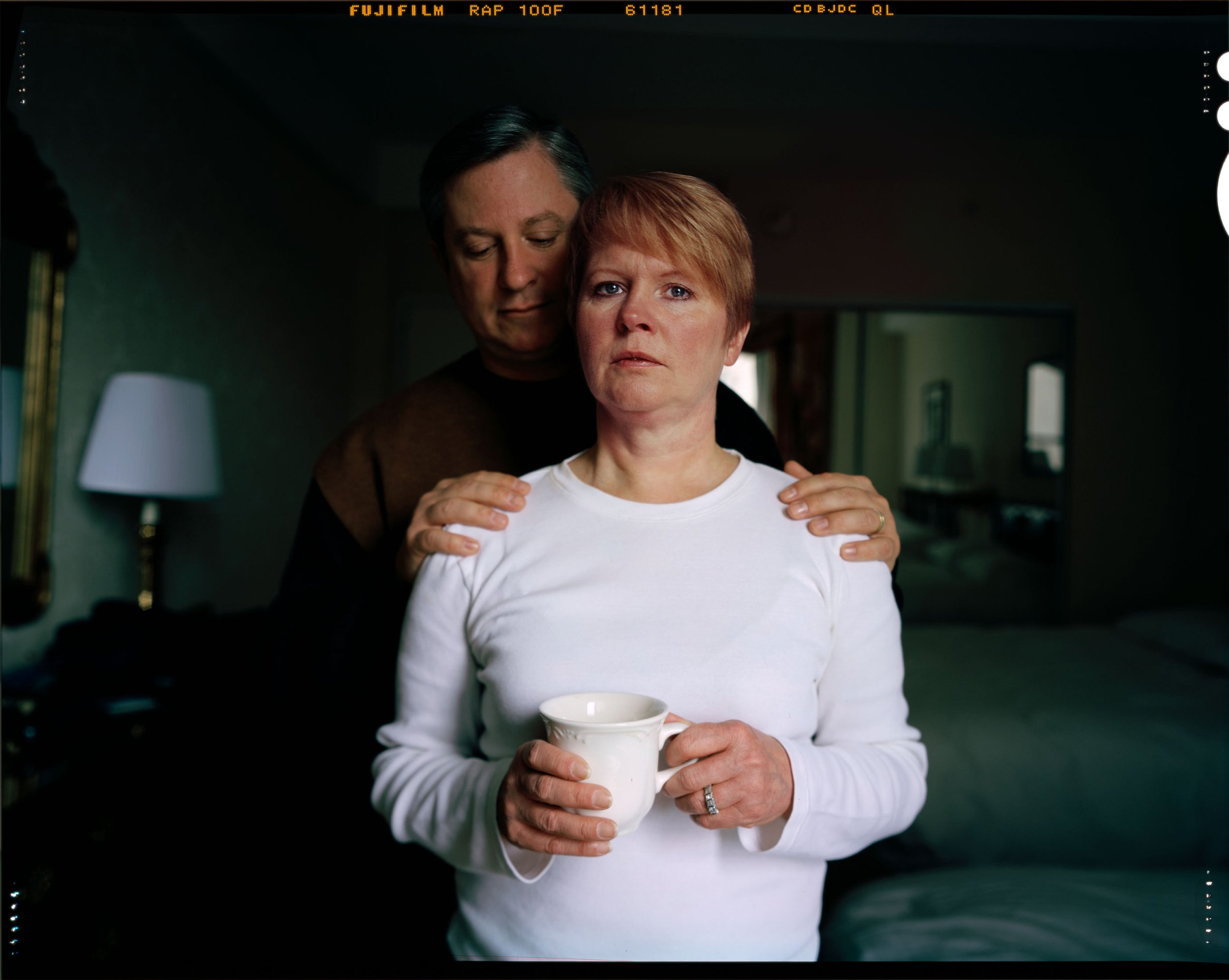
Untitled (Mom & Dad), 2007
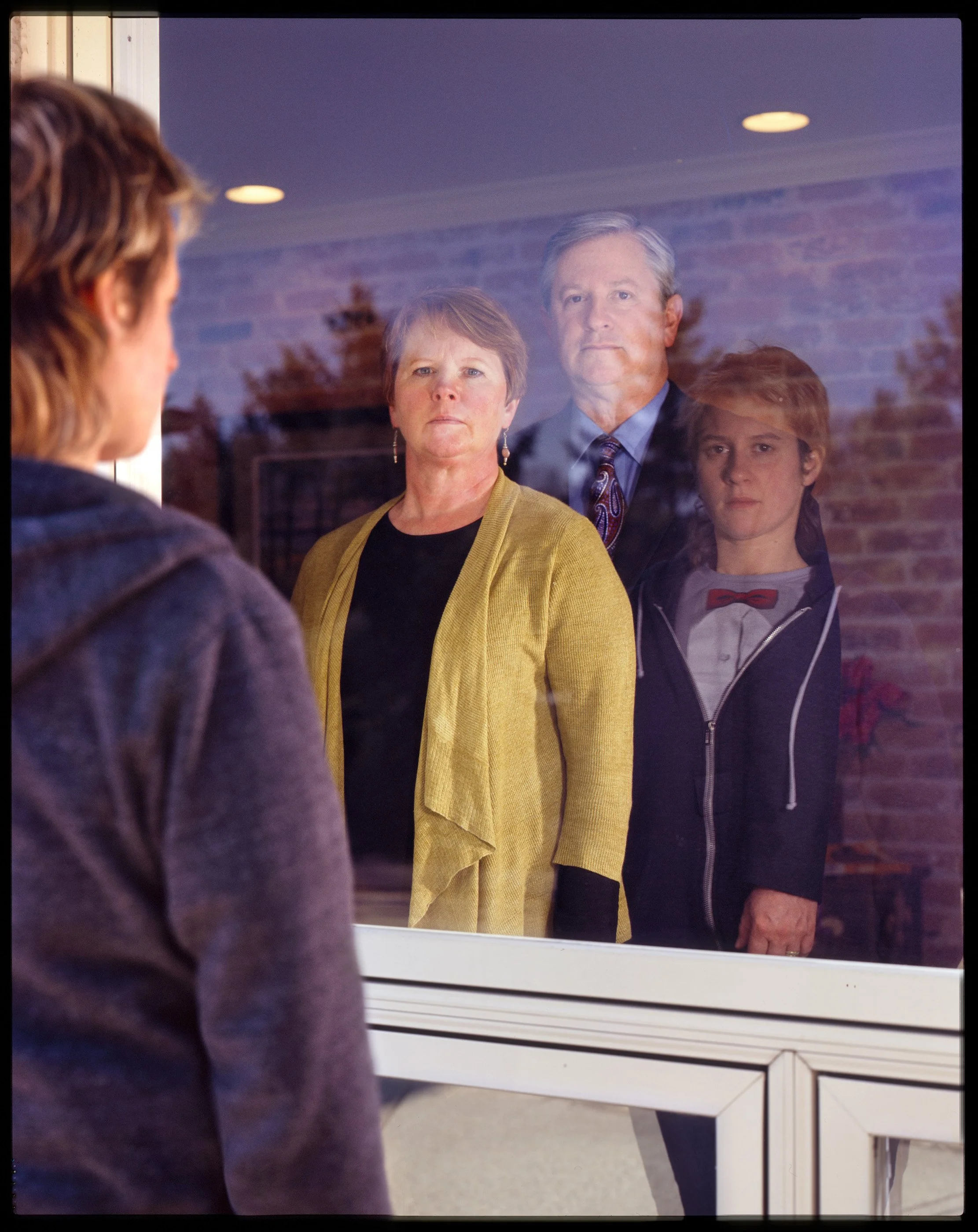
Self-Portrait with Parents, 2011
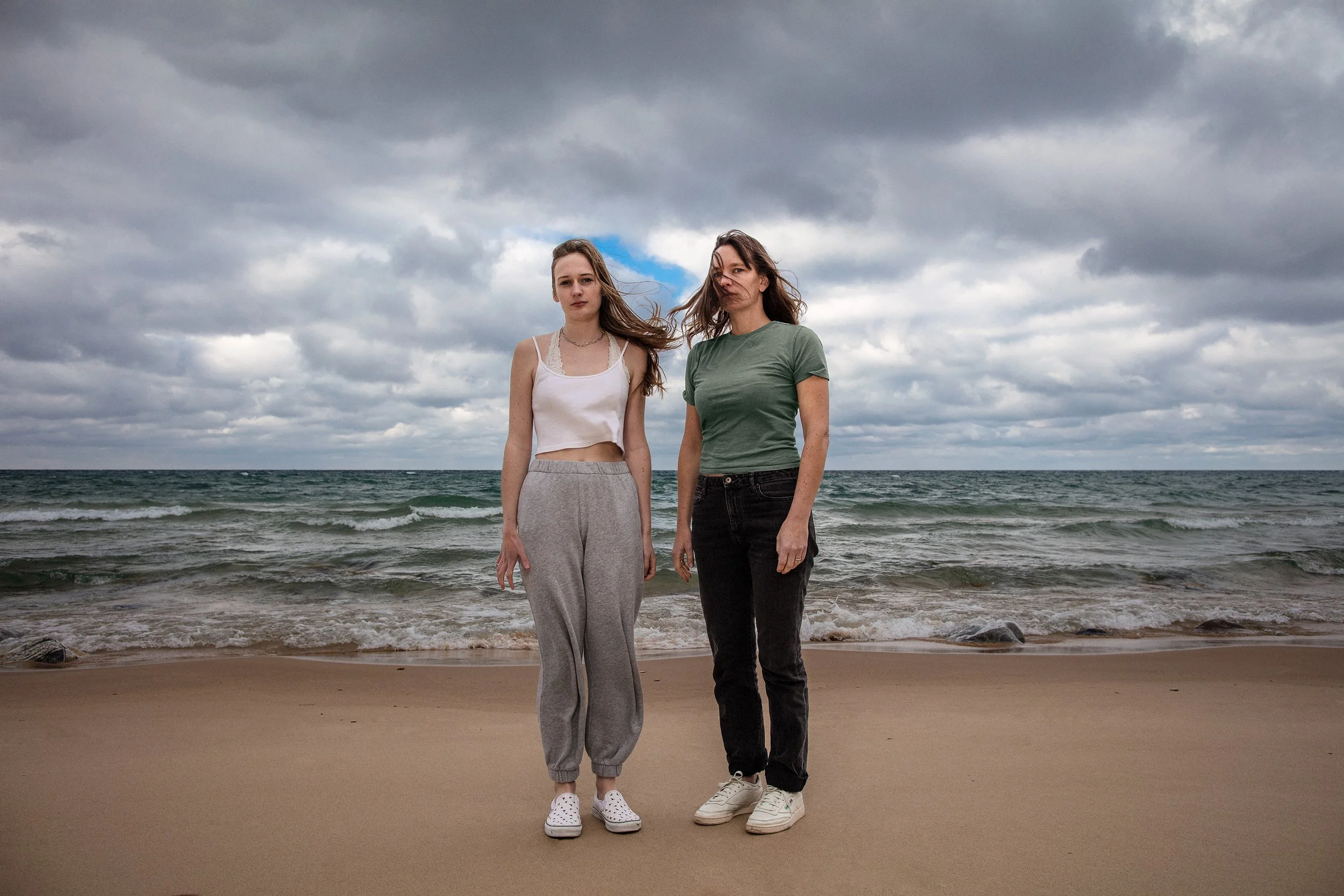
Lake Michigan, 2020
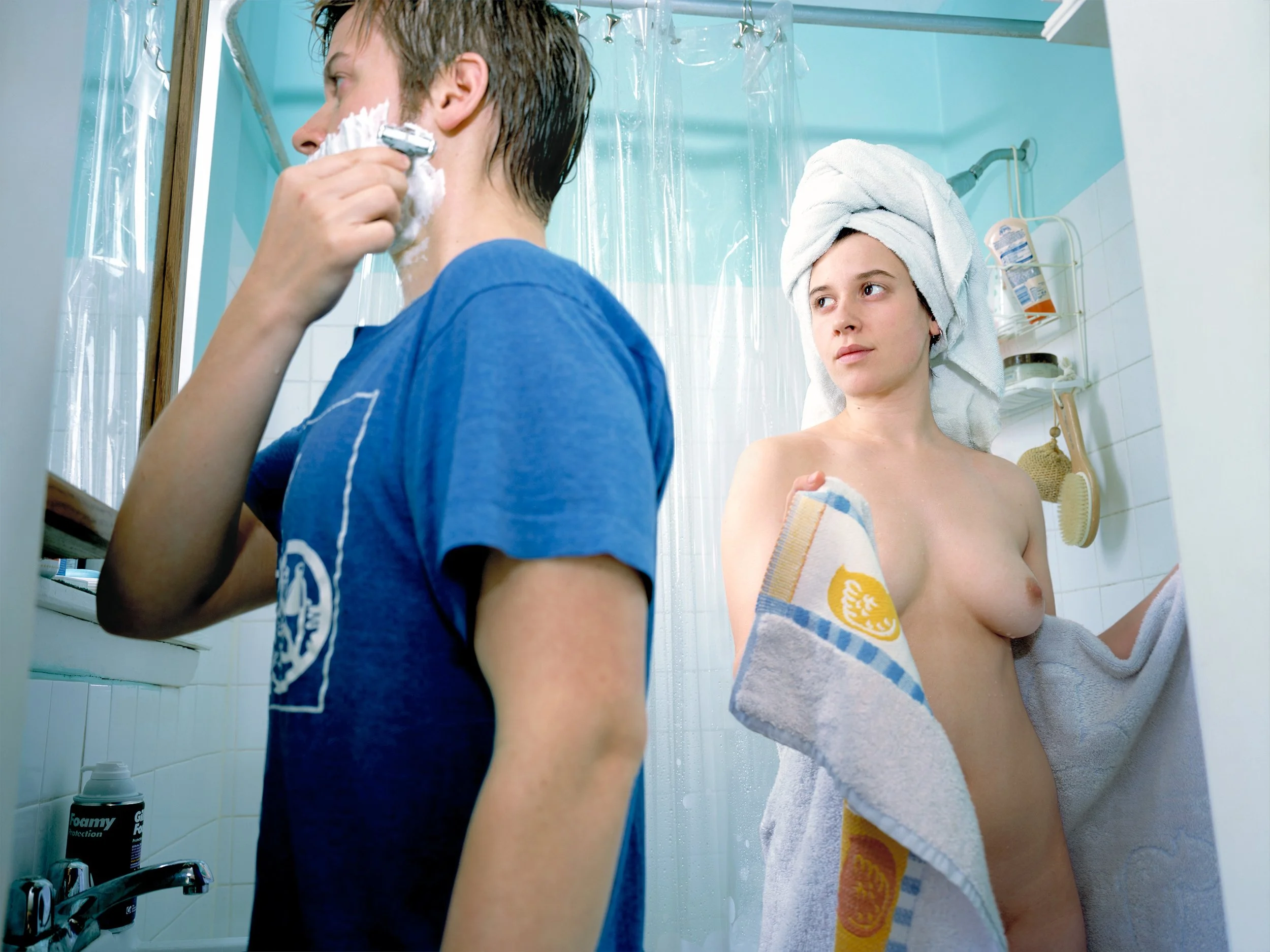
Self-Portrait with Self, 2002
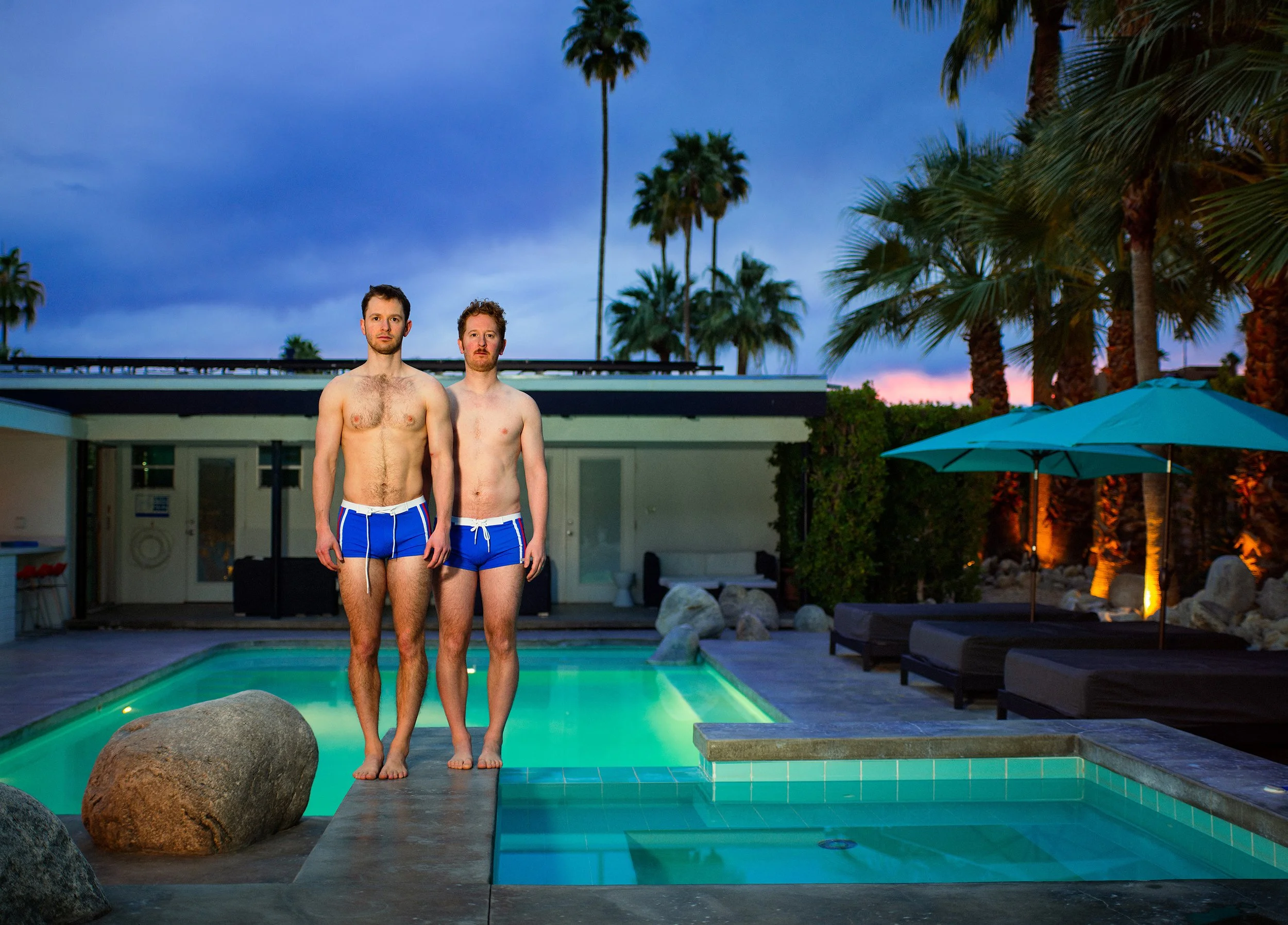
Palm Springs, 2019
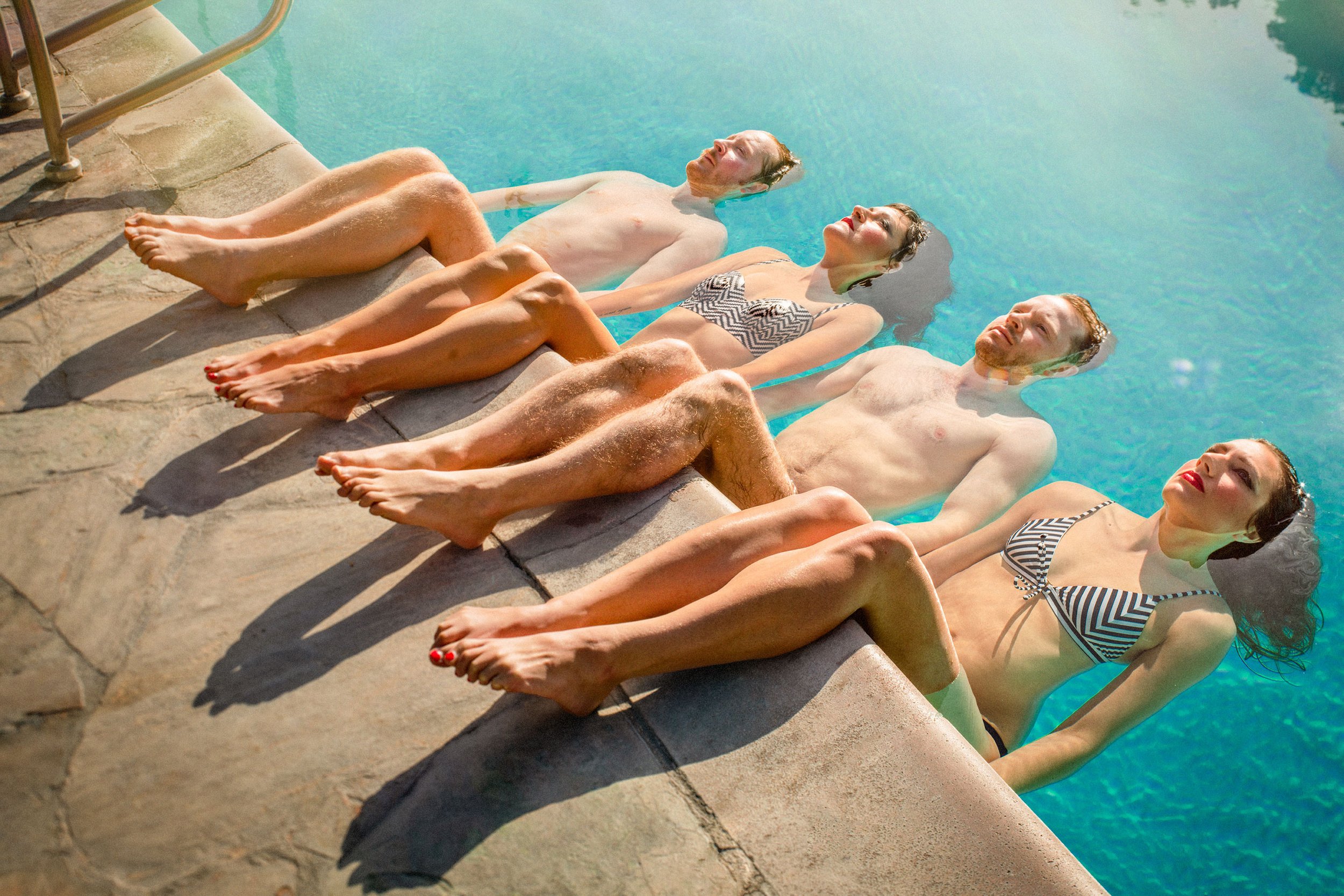
Pool Day, 2019
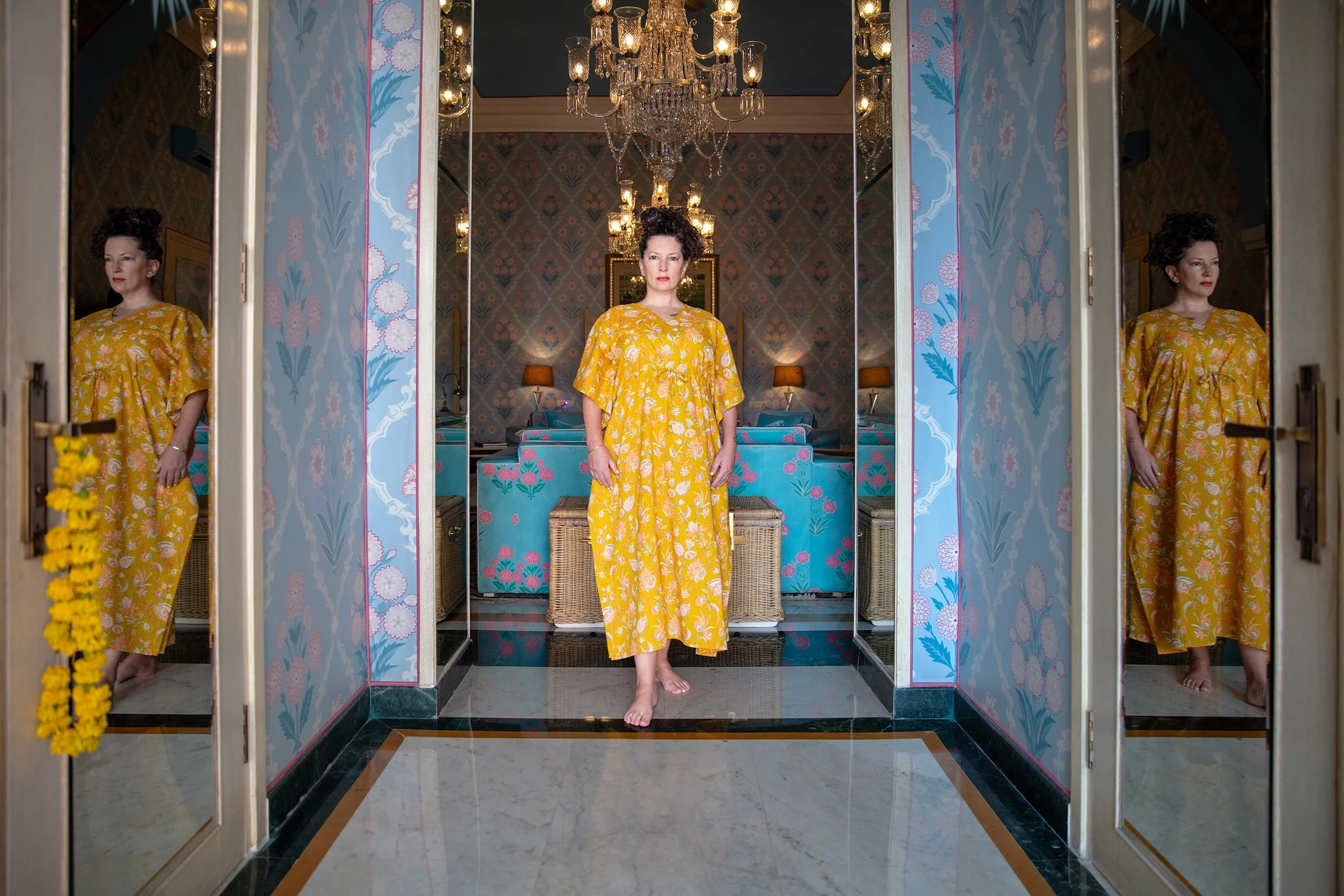
Prince of Wales Room, Jaipur, 2025